Senate to clear debt limit increase for Obama
Published 11:58 am Thursday, January 31, 2013
WASHINGTON (AP) — The Senate Thursday took up must-do legislation to permit the government to borrow hundreds of billions of dollars more to meet its obligations, putting off one Washington showdown even as others loom in coming weeks.
The measure would suspend the $16.4 trillion limit on federal borrowing through May 18, allowing about $450 billion in new debt to be added to the federal ledger, according to an estimate by the Bipartisan Policy Center.
The Republican-controlled House passed the legislation last week. A successful Senate vote Thursday afternoon would send the measure to President Barack Obama, who is expected to sign it into law immediately.
Without the bill, the government would default on its obligations by as early as mid-February.
“Failure to pass this bill will set off an unpredictable financial panic that would plunge not only the United States, but much of the world, back into recession,” said Sen. Max Baucus, D-Mont. “Every single American would feel the economic impact.”
The short-term increase in the borrowing cap is the brainchild of House Republicans, who wanted to re-sequence a series of upcoming budget battles, taking the threat of a potentially devastating government default off the table and instead setting up a clash in March over automatic across-the-board spending cuts set to strike the Pentagon and many domestic programs.
Those cuts — postponed by the recent “fiscal cliff” deal — are the punishment for the failure of a 2011 deficit supercommittee to reach an agreement. The panel was itself established by the hard-fought 2011 increase in the debt limit.
Democrats are going along because the debt increase isn’t contingent on matching cuts to the budget, as long demanded by House Speaker John Boehner, R-Ohio.
Senate Republicans are offering several amendments, including a proposal by Sen. Pat Toomey, R-Pa., to ensure that in the case of a cash crunch the government would use available tax revenue to make sure that bondholders, Social Security and the military get paid. Another, by Rob Portman of Ohio, sought to require that any immediate increase in the debt limit be paired with commensurate cuts to spending, which could be spread out over 10 years.
The GOP amendments, however, are sure to fail. Portman’s amendment was killed by a 54-44 vote. Any successful effort to amend the bill would require the House to vote again and delay delivery of the measure to the president.
To sell the measure to House GOP conservatives, Boehner instead attached a “no budget, no pay” provision that would withhold pay for House and Senate members if the chamber in which they serve fails to pass a budget plan. That was a slap at the Democratic-controlled Senate, which hasn’t passed a budget blueprint since 2009.
The “no budget, no pay” provision is seen by congressional insiders as a bad idea whose time has arrived. For starters, it makes members of the minority party dependent on the ability of the majority party to advance a budget if they all are to be paid. But the announcement of the move was quickly followed by an announcement by Senate Democrats that they would indeed advance a budget for the first time in four years.
Lawmakers have already shifted their focus to the across-the-board cuts, which would pare $85 billion from this year’s budget after being delayed from Jan. 1 until March 1 and reduced by $24 billion by the recently enacted tax bill. Defense hawks are particularly upset, saying the Pentagon cuts would devastate military readiness and cause havoc in defense contracting. The cuts, called a “sequester” in Washington-speak, were never intended to take effect but were instead aimed at driving the two sides to a large budget bargain.
But Republicans and Obama now appear on a collision course over how to replace the across-the-board cuts. Obama and his Democratic allies insist that additional revenues be part of the solution; Republicans say further tax increases are off the table after the 10-year, $600 billion-plus increase in taxes on wealthier earners forced upon Republicans by Obama earlier this month.
The debt measure permits borrowing through May 18 and resets the debt limit to reflect it. But the deadline to again raise the ceiling would be pushed off until August, according to Bipartisan Policy Center calculations. That’s because Treasury would retain the ability to use accounting steps known as “extraordinary measures” to stave off default.
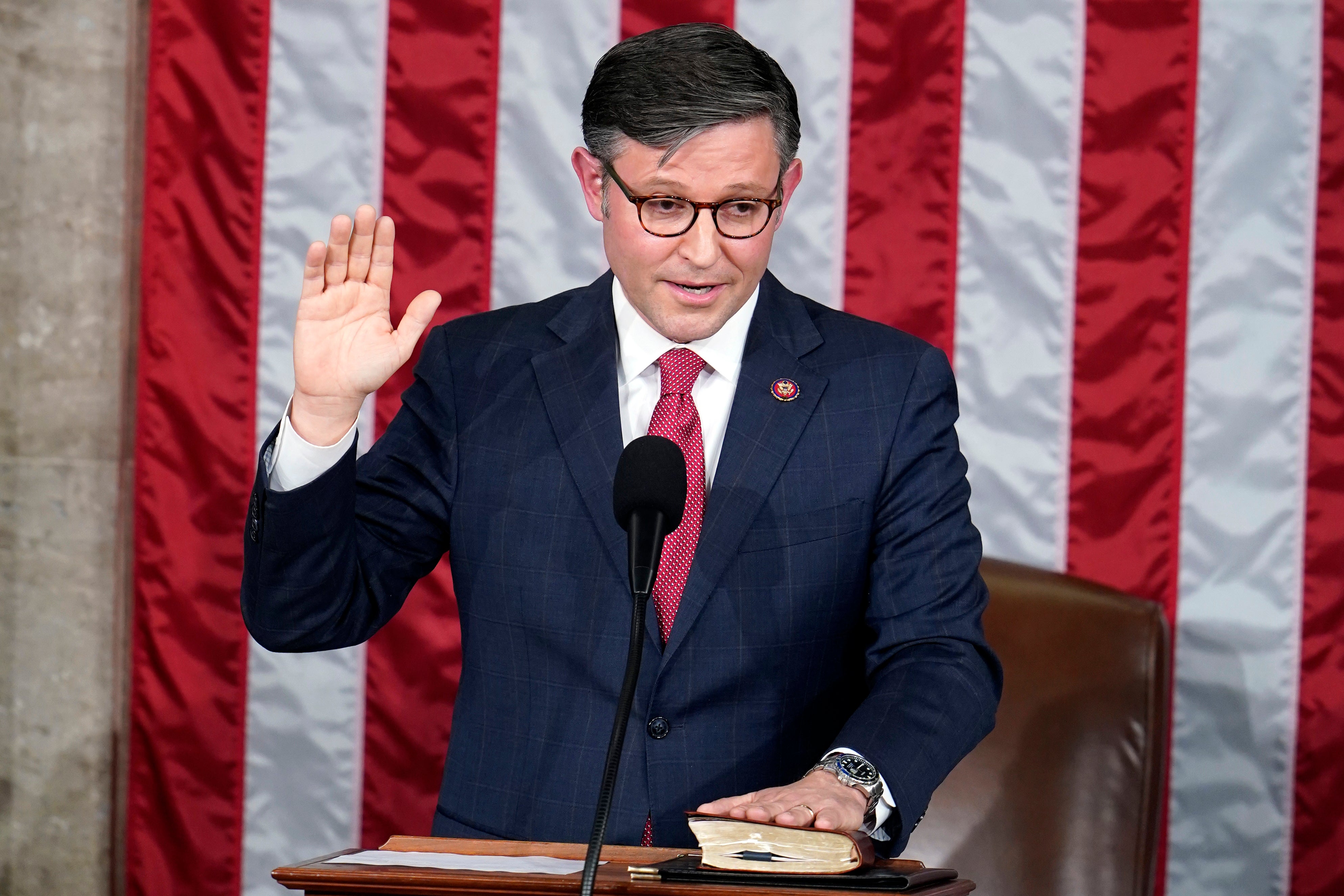
U.S. House Speaker John Boehner. (Associated Press)