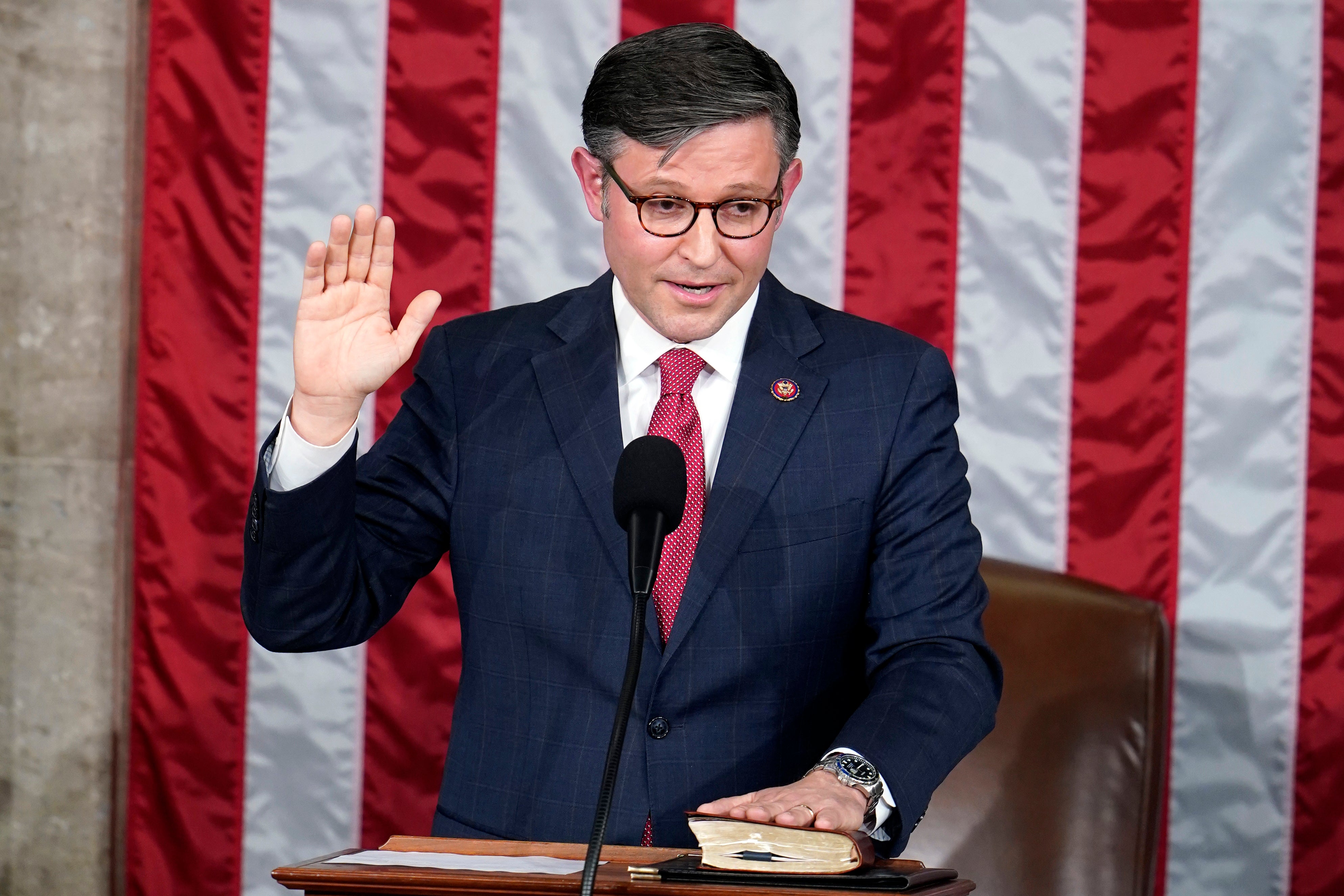
Panetta opens combat roles to women
Published 12:31 pm Wednesday, January 23, 2013
WASHINGTON (AP) — The Pentagon is lifting its ban on women serving in combat, opening hundreds of thousands of front-line positions and potentially elite commando jobs after generations of limits on their service, defense officials said Wednesday.
The changes, set to be announced Thursday by Defense Secretary Leon Panetta, will not happen overnight. The services must now develop plans for allowing women to seek the combat positions, a senior military official said. Some jobs may open as soon as this year, while assessments for others, such as special operations forces, including Navy SEALS and the Army’s Delta Force, may take longer. The services will have until January 2016 to make a case to that some positions should remain closed to women.
The groundbreaking move recommended by the Joint Chiefs of Staff overturns a 1994 rule prohibiting women from being assigned to smaller ground combat units.
Officials briefed The Associated Press on the changes on condition of anonymity so they could speak ahead of the official announcement.
There long has been opposition to putting women in combat, based on questions of whether they have the necessary strength and stamina for certain jobs, or whether their presence might hurt unit cohesion.
But as news of Panetta’s expected order got out, members of Congress, including the Senate Armed Services Committee chairman, Sen. Carl Levin, D-Mich., announced their support.
“It reflects the reality of 21st century military operations,” Levin said.
Sen. Jim Inhofe of Oklahoma, who will be the top Republican on the Armed Services panel, said, however, that he does not believe this will be a broad opening of combat roles for women because there are practical barriers that have to be overcome in order to protect the safety and privacy of all members of the military.
Panetta’s move comes in his final weeks as Pentagon chief and just days after President Barack Obama’s inaugural speech in which he spoke passionately about equal rights for all. The new order expands the department’s action of nearly a year ago to open about 14,500 combat positions to women, nearly all of them in the Army. Panetta’s decision could open more than 230,000 jobs, many in Army and Marine infantry units, to women.
In addition to questions of strength and performance, there also have been suggestions that the American public would not tolerate large numbers of women being killed in war.
Under the 1994 Pentagon policy, women were prohibited from being assigned to ground combat units below the brigade level. A brigade is roughly 3,500 troops split into several battalions of about 800 soldiers each. Historically, brigades were based farther from the front lines and they often included top command and support staff.
The necessities of combat in Iraq and Afghanistan, however, propelled women into jobs as medics, military police and intelligence officers that were sometimes attached — but not formally assigned — to battalions. So while a woman couldn’t be assigned as an infantryman in a battalion going out on patrol, she could fly the helicopter supporting the unit, or move in to provide medical aid if troops were injured.
And these conflicts, where battlefield lines are blurred and insurgents can lurk around every corner, have made it almost impossible to keep women clear of combat.
Still, as recent surveys and experiences have shown, it will not be an easy transition. When the Marine Corps sought women to go through its tough infantry course last year, two volunteered and both failed to complete the course. And there may not be a wide clamoring from women for the more intense, dangerous and difficult jobs — including some infantry and commando positions.
In the Navy, however, women have begun moving into the submarine force, with several officers already beginning to serve.
Jon Soltz, who served two Army tours in Iraq and is the chairman of the veterans group VoteVets.org, said it may be difficult for the military services to carve out exceptions to the new rule. And while he acknowledged that not all women are interested in pursuing some of the gritty combat jobs, “some of them are, and when you’re looking for the best of the best you cast a wide net. There are women who can meet these standards, and they have a right to compete.”
Two lawsuits were filed last year challenging the Pentagon’s ban on women serving in combat, adding pressure on officials to overturn the policy. And the military services have been studying the issue and surveying their forces to determine how it may affect performance and morale.
The Joint Chiefs have been meeting regularly on the matter and they unanimously agreed to send the recommendation to Panetta earlier this month.
A senior military official familiar with the discussions said the chiefs concluded this was an opportunity to maximize women’s service in the military. The official said the chiefs of the Army, Navy, Air Force and Marine Corps laid out three main principles to guide them as they move through the process:
— That they were obligated to maintain America’s effective fighting force.
— That they would set up a process that would give all service members, men and women alike, the best chance to succeed.
—That they would preserve military readiness.
Part of the process, the official said, would allow time to get female service members in leadership and officer positions in some of the more difficult job classifications in order to help pave the way for female enlisted troops.
“Not every woman makes a good soldier, but not every man makes a good soldier. So women will compete,” said Rep. Loretta Sanchez, D-Calif. “We’re not asking that standards be lowered. We’re saying that if they can be effective and they can be a good soldier or a good Marine in that particular operation, then give them a shot.”
Women comprise about 14 percent of the 1.4 million active military personnel. More than 280,000 women have been sent to Iraq, Afghanistan or to jobs in neighboring nations in support of the wars. Of the more than 6,600 who have been killed, 152 have been women.
The senior military official said the military chiefs must report back to Panetta with their initial implementation plans by May 15.
If the draft were ever reinstated, changing the rules would be a difficult proposition. The Supreme Court has ruled that because the Selective Service Act is aimed at creating a list of men who could be drafted for combat, American women aren’t required to register upon turning 18 as all males are.
If combat jobs open to women, Congress would have to decide what to do about that law.
Defense Secretary Leon Panetta. (Associated Press)